The Florida Department of Transportation (FDOT) is implementing overnight closures of all lanes of Central Florida Parkway under Interstate 4 (I-4) from Sunday night, February 1, through Thursday night, February 5, for bridge work. The closures will start as early as 11 p.m. each night and reopen by 5 a.m. the following morning, with the final closure opening on Friday morning, February 6.
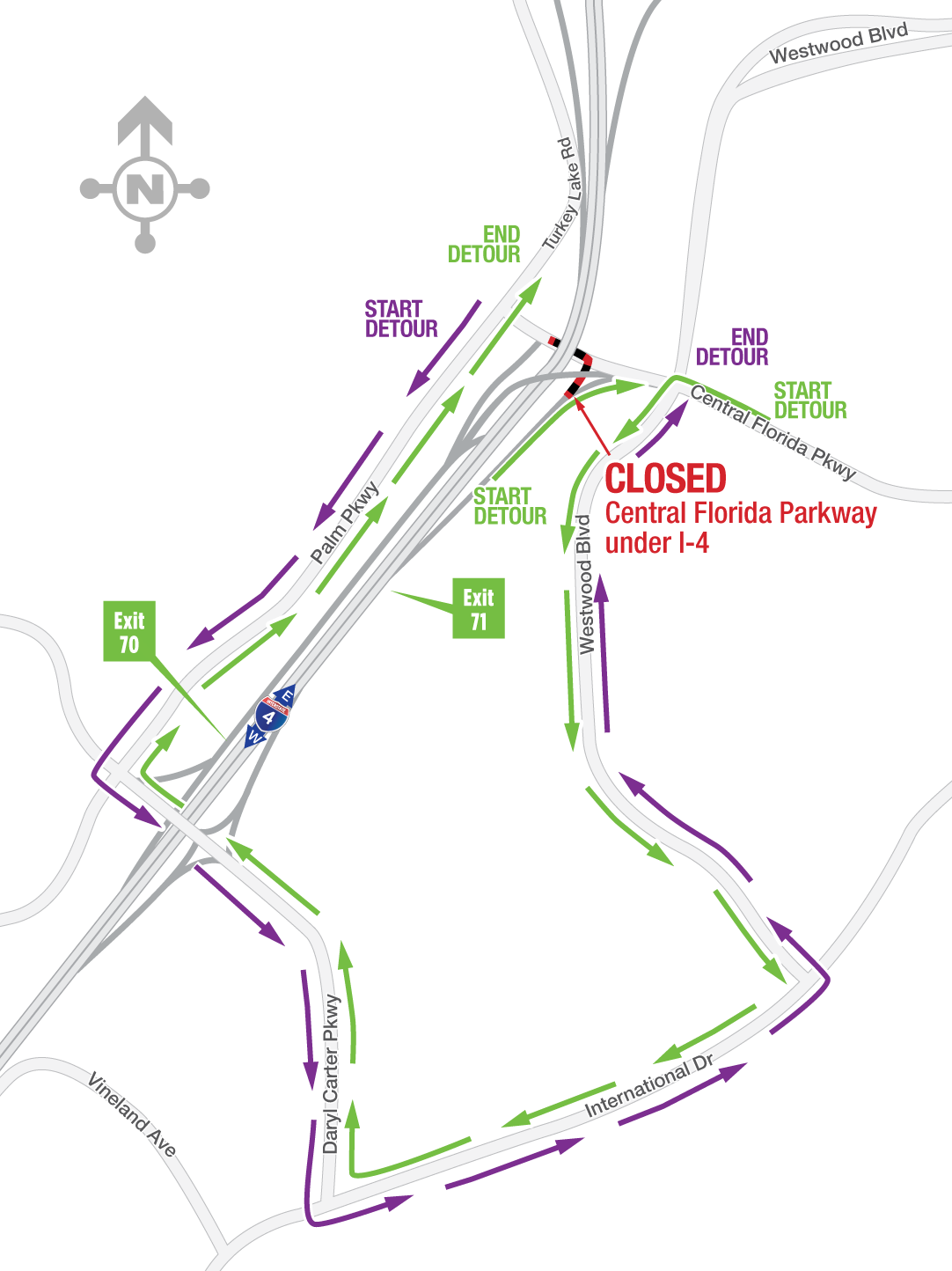
See detour information and map below.
To access Central Florida Parkway east of I-4:
- Proceed south on Palm Parkway, then turn left onto eastbound Daryl Carter Parkway. From there, turn left onto northbound International Drive, then turn left again onto Westwood Boulevard, continuing north to access Central Florida Parkway.
To access Central Florida Parkway west of I-4:
- From eastbound I-4, take Exit 71 and stay in the right lane and turn right onto eastbound Central Florida Parkway, then turn right at the first traffic signal onto southbound Westwood Boulevard. From there, turn right onto International Drive, heading southwest before turning right again onto westbound Daryl Carter Parkway. From there, turn right on northbound Palm Parkway to access Central Florida Parkway.
- From Central Florida Parkway east of I-4, turn left onto southbound Westwood Boulevard, then follow the same route as above.
During the closures, motorists exiting eastbound I-4 to Central Florida Parkway (Exit 71) will be limited to right turns only.
FDOT advises motorists to follow all posted detour signs. Construction schedules are subject to change due to weather or other unforeseen circumstances.
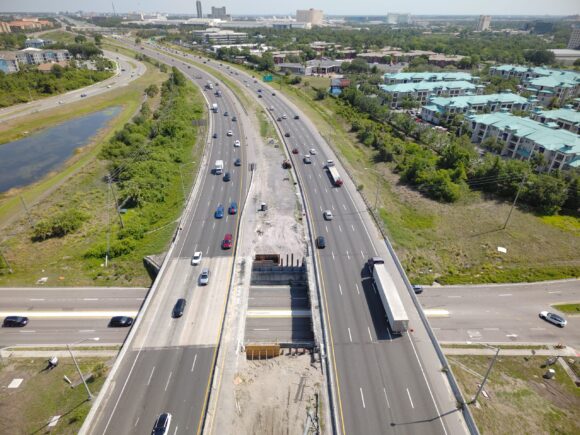
This work is part of the ongoing improvement project to reconstruct the I-4 and Sand Lake Road interchange into a diverging diamond interchange (DDI). For more information about the improvements on I-4 at Sand Lake Road, visit the project website at I4Beyond.com/SandLake.
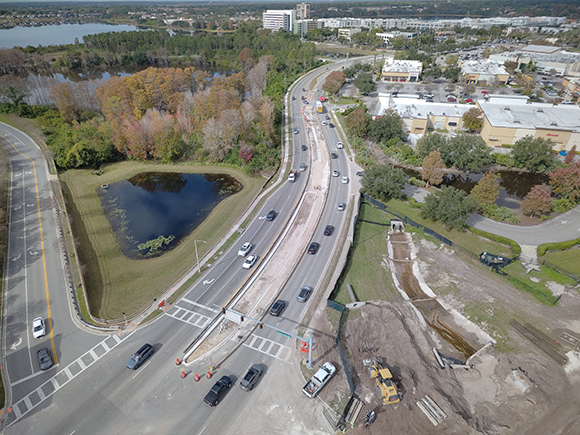 Overnight Turkey Lake Road Paving Operation January 14 – Mid February
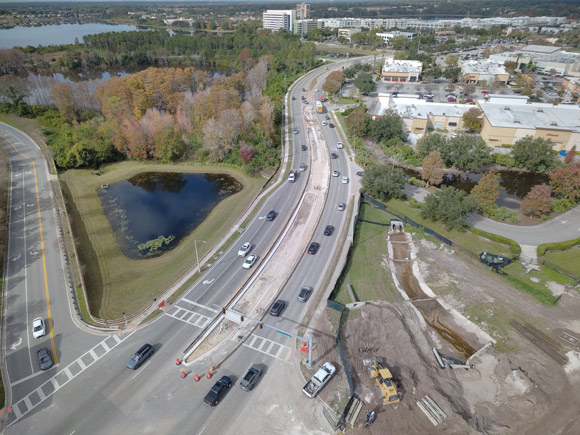 New Year, New Pavement: Crews Prepare Roads for New Sand Lake Loop Ramp
 Driving in Fog: Low Visibility, High Responsibility
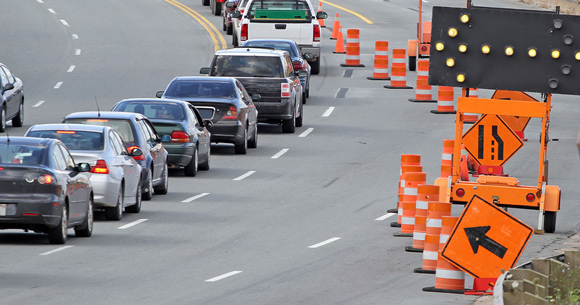 How Cones, Barrels, and Barriers Save Lives