


Driving in Fog: Low Visibility, High Responsibility
Central Floridians rarely need to worry about snowy conditions or icy roads while driving, but fog is a different story. Thick fog can roll in fast and make it hard to see vehicles, signs, and lane markings, especially in the early morning or at night. When visibility drops, even familiar roads can become dangerous. A few simple driving habits can help keep you safe when you’re navigating fog.
Make sure your headlights and taillights are clean and turned on whenever fog is present. It’s best to drive with your low-beam headlights on so you can see the road and other drivers can see you. High-beam headlights reflect off the fog and can make visibility worse. It’s just as important to make sure your taillights are on, as it makes your vehicle more visible to those behind you. Driving with only your daytime running lights on does not automatically turn on your taillights.
Slow down and leave extra distance between you and the vehicle in front of you. Fog reduces how far ahead you can see, which means you need to react more quickly. Driving at a lower speed gives you better control and can prevent skidding or hydroplaning in rainy conditions.
Be sure to signal turns and lane changes early. Using your turn signals well in advance lets other drivers know what you plan to do. Brake sooner than usual and avoid sudden movements. Clear signals help everyone move more safely in low visibility.
Foggy conditions require your full attention so you can respond quickly to changes around you. You should reduce distractions inside your vehicle. Put your phone away, turn down the radio, and stay focused on the road.
Fog brings moisture, so use wipers and defrosters to keep your windshield and windows clear to improve visibility and reaction time. Wipers remove mist from the glass, while defrosters prevent fog from building up inside the vehicle.
Finally, never stop in a travel lane, which can lead to serious crashes. If you’re struggling with visibility, use your signal and move completely off the roadway, then turn on your hazard lights once you are safely out of traffic.
Fog can be unpredictable, but safe driving choices make a big difference. Slow down, stay alert, and take extra care when visibility is low.
Learn more about how to drive safely in foggy conditions here.
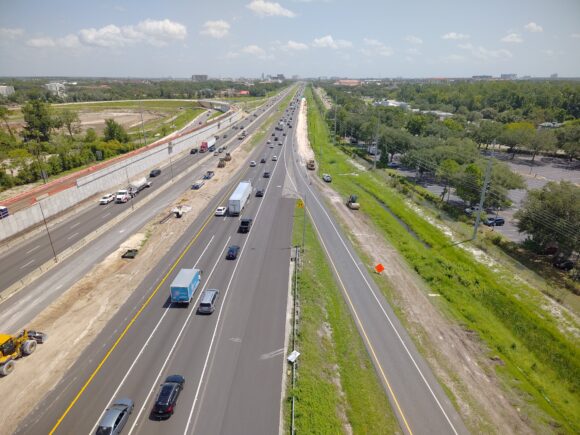 ATTENTION DRIVERS: Overnight Closures of the Eastbound I-4 Entrance Ramps from Apopka-Vineland Road August 9-13
 ATTENTION DRIVERS: Overnight Ramp Closures at I-4 and Sand Lake Road Interchange Extended to August 6, 9-13
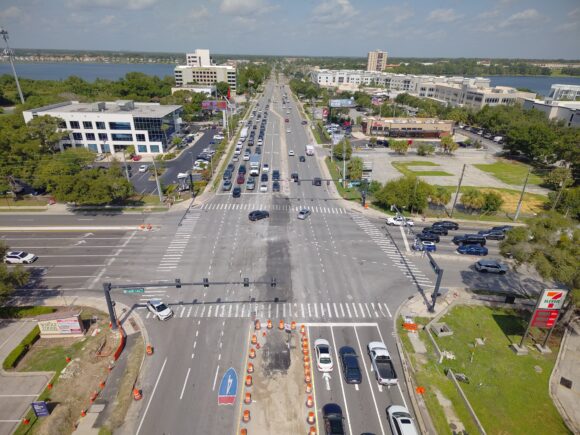 ATTENTION DRIVERS: Overnight Left-Turn Lane Closures at Sand Lake Road and Turkey Lake Road Intersection Extended to August 9-13
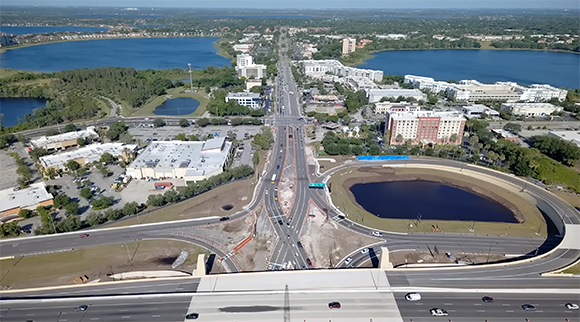 New Ramp System Provides Easier Access to Turkey Lake Road