
How Cones, Barrels, and Barriers Save Lives
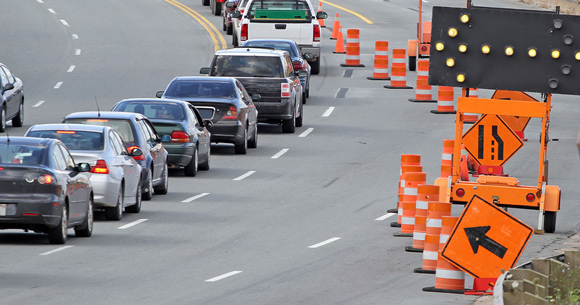
Traffic cones, barrels, and barriers are among the most common devices used on road construction sites, yet their role in public safety is often overlooked. These devices are essential for protecting both drivers and roadway workers by reducing confusion, slowing traffic, and creating physical separation from hazards.
Brightly colored traffic cones and barrels are designed to capture attention quickly. Their fluorescent orange color and reflective bands help ensure visibility in all conditions: daylight, low light, nighttime, and rain. Workers place cones and barrels strategically to guide drivers through lane shifts, warn of upcoming hazards, and signal changes in traffic patterns well in advance.
Traffic barriers offer another layer of protection by creating a physical buffer between moving vehicles and work areas. Temporary barriers block off closed lanes, shield workers from traffic, and prevent vehicles from entering dangerous zones. Barriers also help redirect vehicles and absorb some of the impact of a crash, should one occur.
For drivers, these maintenance of traffic (MOT) devices also improve safety by making traffic patterns more predictable. Clear lane markings and defined travel paths reduce uncertainty, particularly in complex construction zones where normal traffic patterns are disrupted.
Crews rely on these devices for protection and efficiency. When drivers follow the guidance provided by cones, barrels, and barriers, workers can focus on their tasks with fewer interruptions and less exposure to danger.
The effectiveness of traffic devices depends not only on proper placement, but also on driver cooperation. Ignoring cones, speeding through work zones, or driving around barriers increases the risk of serious injury or death to motorists, pedestrians, cyclists, and workers.
 ATTENTION DRIVERS: Overnight Closures of the Eastbound I-4 Entrance Ramps from Apopka-Vineland Road August 9-13
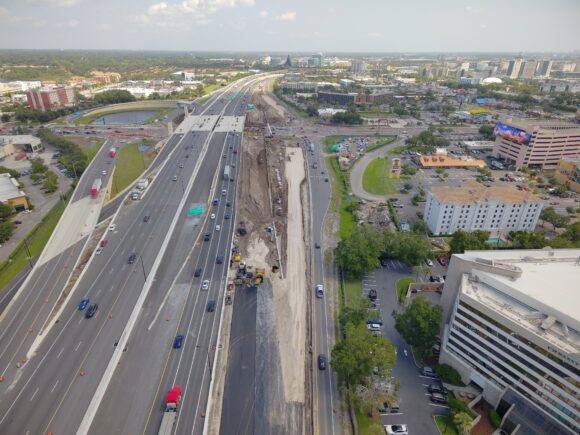 ATTENTION DRIVERS: Overnight Ramp Closures at I-4 and Sand Lake Road Interchange Extended to August 6, 9-13
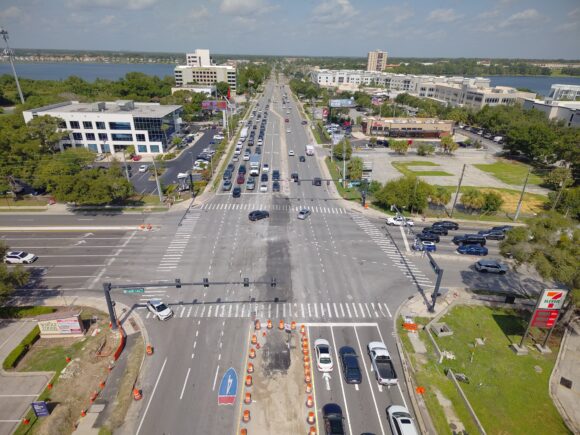 ATTENTION DRIVERS: Overnight Left-Turn Lane Closures at Sand Lake Road and Turkey Lake Road Intersection Extended to August 9-13
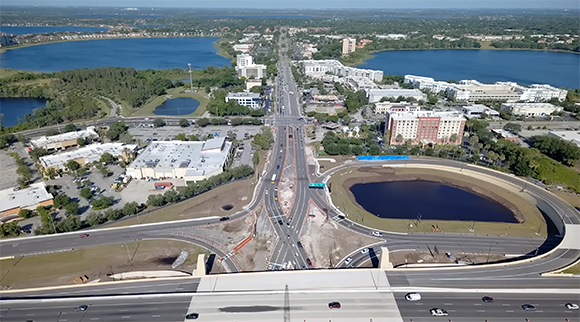 New Ramp System Provides Easier Access to Turkey Lake Road