I-4 Beyond The Ultimate
 

February 2026

 
IN THIS UPDATE
* New Beams Set Stage for New Bridges at Sand Lake Road and Central Florida Parkway
* Keeping Traffic Flowing: The Purpose of Roadway Contraflow During Construction
* March is Florida Bicycle Month: Share the Road
* Ready, Set, Merge: Tips to Safely Merge onto the Highway


New Beams Set Stage for New Bridges at Sand Lake Road and Central Florida Parkway

New Beams Set Stage for New Bridges at Sand Lake Road and Central Florida Parkway
 
Florida Department of Transportation contractors have been busy setting huge beams in the Sand Lake Road area to support a better I-4 overhead.

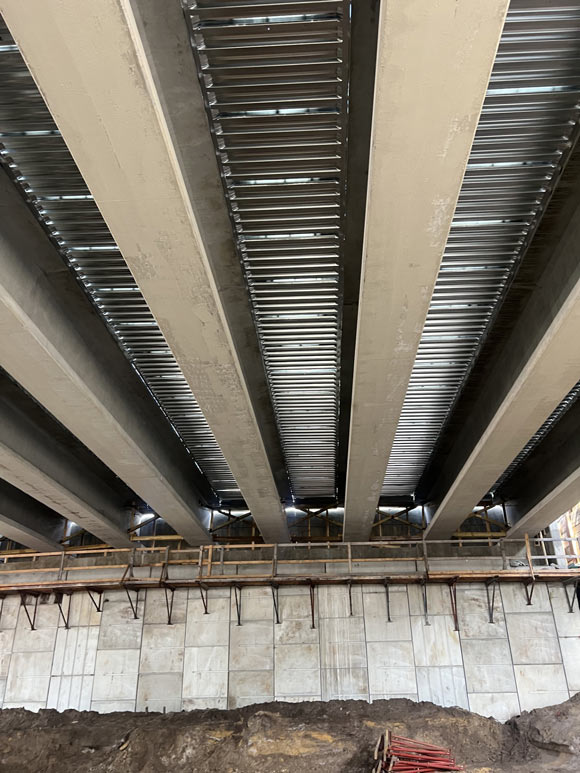
Florida Department of Transportation (FDOT) crews kicked off 2026 with great momentum at the Interstate 4 (I-4) and Sand Lake Road (State Road (S.R.) 482) improvement project, completing placement of new bridge beams over Sand Lake Road in the I-4 median.

On the nights of January 17-21, crews used cranes to place 10 beams, each measuring 63 inches tall and more than 140 feet long. They placed 10 additional new beams for the bridge on February 4 and 5. The beams were set on the concrete walls on each side of Sand Lake Road.

The new bridge is starting to come together with a total of 20 beams over Sand Lake Road, 10 in each direction. Crews placed support structures to help stabilize the beams. With the base structure in place, crews placed deck pans and overhang supports before pouring the concrete bridge decks.

The deck pours, which began earlier this week, are among the final stages of bridge construction. Crews will pour over 700 cubic yards of new concrete for the bridge. The bridge deck will provide the foundation for a segment of the new westbound I-4 Express road surface.

Crews are also extending westbound I-4 Express over Central Florida Parkway with another new bridge in the median of I-4. This bridge will require two beams in each direction of I-4 for a total of four. Crews completed bridge demolition in January, and beam setting is expected to take place in March.

Once completed, the I-4 Express extension will feature two barrier-separated westbound express lanes extending from the current I-4 Express endpoint at Kirkman Road (S.R. 435) to just west of Sand Lake Road. The two barrier-separated lanes will then transition to a single, buffer-separated westbound express lane. When complete, the new westbound stretch of I-4 Express will extend from west of Sand Lake Road to west of S.R. 536.

For more information on improvements at the I-4 and Sand Lake Road interchange, visit I4Beyond.com/SandLake.


Keeping Traffic Flowing: The Purpose of Roadway Contraflow During Construction

Keeping Traffic Flowing During Construction: The Purpose of Roadway Contraflows
 
Using contraflow allows crews to avoid fully closing the roadway during certain types of road work.

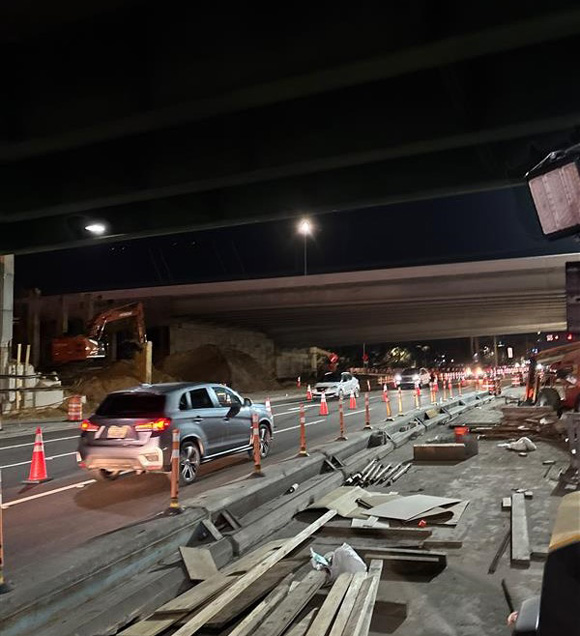
In times of emergency, or during road work that does not require an entire roadway to be closed, crews sometimes close all lanes on one side of the road and use the other side of the road to maintain traffic flow at a controlled pace. This maintenance of traffic method is called contraflow.

Contraflow typically takes one of two forms. When it takes place on a two-lane road, flaggers direct traffic in one direction at a time onto the open side of the road. On roads with two or more lanes in each direction, traffic is limited to one side of the road with one lane used for each direction of traffic.

Crews have used contraflow regularly on the Interstate 4 (I-4) and Sand Lake Road (State Road (S.R.) 482) project. For example, from February 9-11, construction crews used contraflow on Sand Lake Road to provide workers room to facilitate underground drainage repairs. By closing Sand Lake Road’s two westbound lanes under I-4, crews were able to keep traffic flowing using the two eastbound lanes.

Since January, crews have used contraflow during paving operations to keep Turkey Lake Road open to traffic while working on the northbound side.

While the concept may sound straightforward, clear signage and crew instructions are essential to prevent confusion and ensure safety. When properly executed, using contraflow can ensure traffic continues to flow smoothly while keeping drivers safe.


March is Florida Bicycle Month: Share the Road

March is Florida Bicycle Month: Share the Road
 
March is Florida Bicycle Month, so it’s the perfect time to think about how we share the road with other types of vehicles.

This March, many will trade their Valentine's Day petals for pedals and ride into spring during Florida Bicycle Month. March is Florida’s statewide celebration of cycling, highlighting it as a healthy form of recreation and transportation. Just like any other mode of transportation, rules and a sense of shared responsibility are essential for a safe trip.

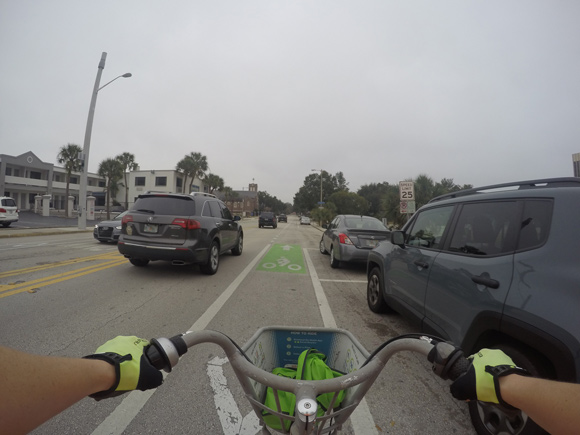
Drivers must share the road with bicyclists — whether there’s a dedicated bike lane or not — and must give them a buffer of three or more feet when passing. When approaching a cyclist, drivers should slow down and move over as much as possible, then signal and change lanes when it is safe to do so. Swerving or changing lanes at the last minute instead of slowing down can block visibility for other drivers, increasing the risk of a crash.

Construction zones present an additional challenge for everyone, especially bicyclists. Sidewalk or bike lane closures may direct bicyclists into the roadway, where they could encounter debris, uneven pavement, or barrels and cones that shrink travel lanes. Bicyclists and motorists should reduce their speed, remain alert, and ride and drive predictably. If the lane edge is too narrow, rough, or obstructed to ride safely, bicyclists should use the full lane.

Before leaving the driveway, bicyclists should inspect their bicycle and ensure it’s road-ready. A properly fitted helmet will protect your brain, while front lights, red rear lights, reflectors, and bright or reflective clothing can significantly improve visibility. In Florida, lights are required by law at night!

Once on the move, bicyclists have the right to ride on the road with motorists or on the sidewalk. The rules of the road apply when riding on the road. Bicyclists who choose the sidewalk must yield right-of-way to pedestrians. Florida’s network of bike paths and trails offers a dedicated option for riders.

The road is a shared space, and safety is a shared responsibility. No matter how you choose to travel, make safety your top priority.

For more tips on bicycle safety visit alerttodayflorida.com/Bicycle.



Ready, Set, Merge: Tips to Safely Merge onto the Highway

Ready, Set, Merge: Tips to Safely Merge onto the Highway
 
Merging onto busy highways can be simple and safe if you follow these tips.

It’s been a long trip. You’re in the home stretch and your couch feels closer with every mile. But now, your navigation app is directing you onto the highway. As you approach the entrance ramp, your attention is critical. Make sure to put your phone down, check your mirrors, and maintain a safe speed as you prepare to merge onto the highway.

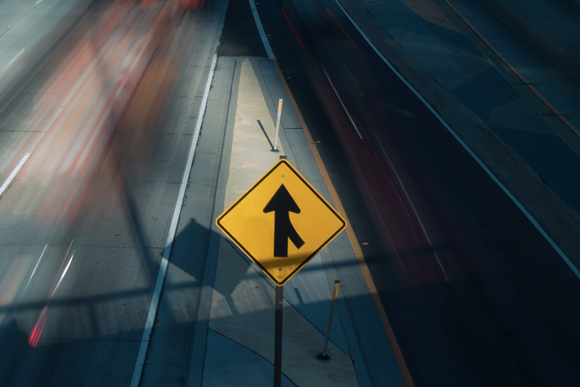
Merging onto a highway can feel intimidating, especially for new drivers. As you take the entrance ramp and see the traffic moving steadily beside you, large trucks and fast-moving vehicles can make the moment feel overwhelming. It’s easy to feel a rush of nerves when you’re trying to find the right opening as the merge lane begins to narrow. However, with a calm mindset and a little preparation, merging doesn’t have to feel like a high-pressure situation.

Here in Florida, vehicles already on the highway have the right-of-way, so it’s your responsibility as the merging motorist to merge safely. Here are some helpful tips from the National Highway Traffic Safety Administration to help you safely enter the highway.

  1. Match Your Speed — Adjust your speed on the entrance ramp and in the merge lane to match the flow of highway traffic. Don’t merge while driving too slowly or too quickly.
  2. Use Your Turn Signal — Signal early to let other drivers know your intention to change lanes and enter the highway.
  3. Check Before You Merge — Check your mirrors and check your blind spots, find a safe gap in traffic, and merge smoothly into the nearest through lane.

Follow these simple tips and you’ll join the flow of traffic safely and smoothly and continue your drive with confidence. Safe merging helps ensure everyone gets to their destination safely.